
What Dermatologists Say About Salmon DNA Injections
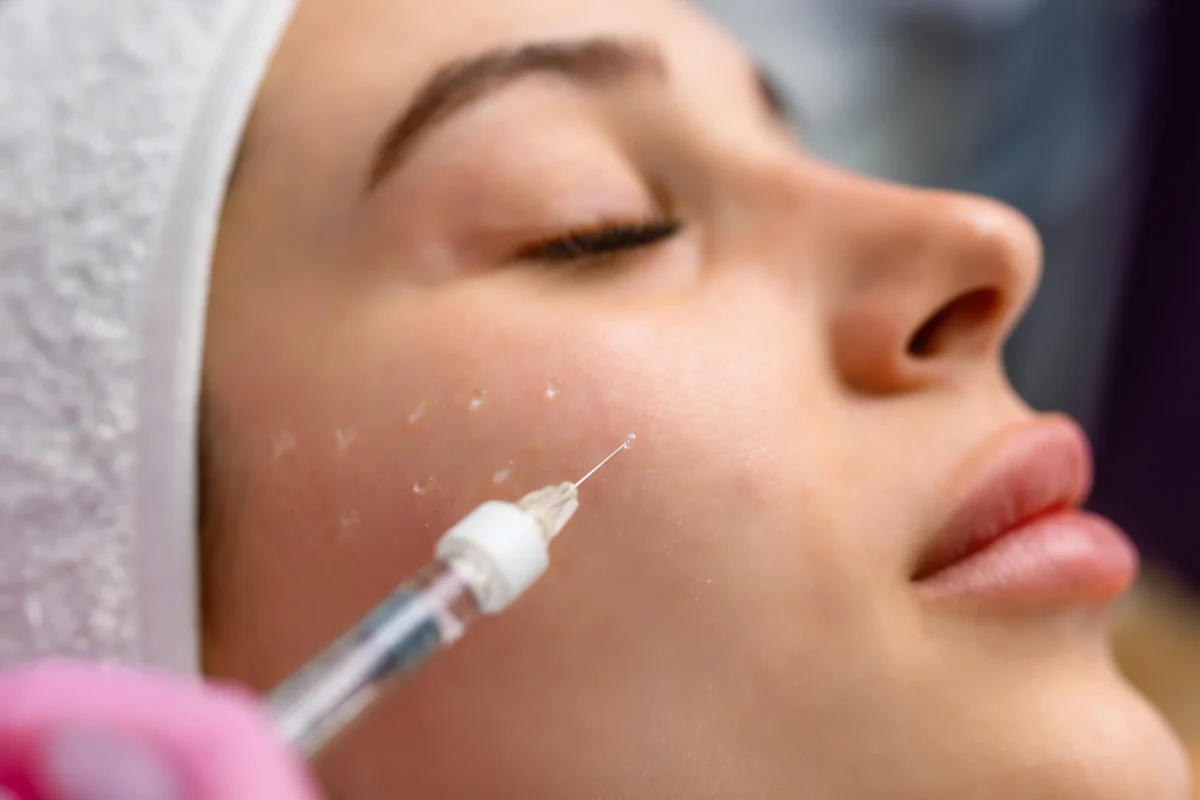
Dermatologists and aesthetic medicine specialists are increasingly exploring regenerative treatments that go beyond traditional skincare approaches, focusing instead on improving skin health at a cellular level. Among these innovations, polynucleotide-based therapies have gained attention for their potential role in skin repair, hydration, and rejuvenation. In the middle of this scientific discussion, salmon DNA injections are often highlighted as one of the emerging treatments that dermatologists evaluate for their regenerative and anti-aging properties.
What Dermatologists Mean by Salmon DNA Therapy:
Dermatologists refer to salmon DNA therapy as a regenerative treatment that uses polynucleotides derived from salmon DNA to support skin healing and renewal. These molecules are studied for their compatibility with human skin and their ability to stimulate repair mechanisms. Key characteristics include:
- Purified DNA fragments sourced from salmon
- Injectable or topical regenerative formulation
- Focus on cellular repair rather than surface correction
- Use in aesthetic and dermatological procedures
How Dermatologists Explain the Mechanism:
From a clinical perspective, dermatologists explain that salmon DNA-based treatments work by activating biological pathways involved in skin regeneration. These processes help improve overall skin quality over time. The mechanism includes:
- Stimulation of fibroblast activity in the dermis
- Enhancement of collagen and elastin production
- Support for damaged tissue repair
- Improvement in cellular turnover rates
Dermatologists on Skin Rejuvenation Benefits:
Many dermatologists acknowledge that regenerative therapies can improve skin quality when used appropriately. They emphasize gradual, natural improvements rather than immediate transformations. Reported benefits include:
- Improved skin hydration and elasticity
- Reduction in fine lines and early wrinkles
- Enhanced skin texture and smoothness
- Brighter and more even skin tone
Scientific Evidence Behind the Treatment:
Dermatologists often rely on clinical studies and scientific data when evaluating new treatments. Research on polynucleotides suggests several positive biological effects. Key findings include:
- Promotion of tissue regeneration and repair
- Reduction of inflammation in damaged skin
- Support for wound healing processes
- Increased collagen synthesis in treated areas
What Experts Say About Effectiveness:
Dermatologists generally view salmon DNA-based treatments as promising but emphasize realistic expectations. They highlight that effectiveness depends on multiple factors. These include:
- Individual skin condition and age
- Number of treatment sessions completed
- Quality of product and formulation used
- Practitioner experience and technique
Dermatologists on Safety and Side Effects:
Safety is a major focus in dermatology, and experts consider polynucleotide treatments relatively safe when administered correctly. However, like all injectable procedures, mild side effects may occur. These include:
- Temporary redness at injection sites
- Mild swelling or bruising
- Short-term skin sensitivity
- Minimal downtime after treatment
Who Dermatologists Recommend It For:
Dermatologists typically recommend regenerative treatments for patients seeking gradual improvement in skin quality rather than dramatic changes. Suitable candidates include:
- Individuals with early signs of aging
- Patients with dull or dehydrated skin
- Those with mild acne scarring
- People seeking non-surgical rejuvenation
Comparison with Other Skin Treatments:
Dermatologists often compare salmon DNA-based therapies with other aesthetic options such as fillers, lasers, and skin boosters. The differences include:
- Focus on regeneration instead of volume enhancement
- Gradual improvement rather than instant results
- Better long-term skin quality support
- Minimal downtime compared to aggressive treatments
Dermatologists on Anti-Aging Potential:
Anti-aging is one of the most discussed benefits of regenerative treatments in dermatology. Experts note that these therapies may help slow visible aging signs. Potential effects include:
- Improved skin firmness and elasticity
- Reduction in fine lines over time
- Enhanced skin density and structure
- Better overall skin resilience
Treatment Procedure as Described by Experts:
Dermatologists describe the procedure as minimally invasive and typically performed in a clinical setting under sterile conditions. The process involves:
- Skin cleansing and preparation
- Application of numbing cream if needed
- Micro-injection into targeted skin layers
- Post-treatment soothing and care
Importance of Professional Administration:
Experts strongly emphasize that the success and safety of the treatment depend on proper administration by trained professionals. Dermatologists highlight:
- Accurate injection depth and technique
- Proper patient assessment before treatment
- Use of approved and high-quality products
- Reduced risk of complications
Number of Sessions Recommended by Dermatologists:
Dermatologists often recommend multiple sessions for optimal results, as regenerative effects build over time. A typical treatment plan may include:
- Initial 2 to 4 treatment sessions
- Spaced intervals for skin recovery
- Maintenance sessions every few months
- Personalized plans based on skin condition
Dermatologists on Patient Expectations:
Managing expectations is an important part of dermatological care. Experts emphasize that results are gradual and not immediate. Patients should understand:
- Improvements develop over weeks to months
- Results vary between individuals
- Consistency is key for best outcomes
- Maintenance may be required
Combination with Other Dermatological Treatments:
Dermatologists often combine regenerative therapies with other procedures to enhance overall results. Common combinations include:
- Microneedling for improved absorption
- Laser treatments for resurfacing
- Hydrating facials for surface improvement
- PRP therapy for added regeneration
Limitations Highlighted by Dermatologists:
While promising, dermatologists also acknowledge limitations of this treatment. These include:
- Not a substitute for surgical procedures
- Requires multiple sessions for visible results
- Varying effectiveness among patients
- Gradual rather than immediate improvements
Dermatologists on Long-Term Skin Health:
One of the key advantages highlighted by experts is the potential for long-term skin health improvement. Benefits include:
- Strengthening of natural skin repair systems
- Better hydration retention over time
- Reduced progression of aging signs
- Improved overall skin quality
Why Dermatologists Are Interested in Regenerative Medicine:
The growing interest in regenerative aesthetics reflects a shift in dermatology toward treatments that enhance natural skin function rather than just cosmetic appearance. This interest is driven by:
- Advances in cellular biology research
- Demand for non-invasive treatments
- Focus on natural-looking results
- Continuous innovation in aesthetic medicine
Role of Research and Clinical Studies:
Dermatologists rely heavily on ongoing research to validate new treatments. Studies on polynucleotides continue to explore their full potential. Areas of research include:
- Skin regeneration and healing mechanisms
- Anti-inflammatory properties
- Long-term safety and efficacy
- Combination therapy effectiveness
Final Thoughts:
Dermatologists view regenerative skincare as a promising advancement in aesthetic medicine, particularly for patients seeking gradual, natural improvements in skin health rather than immediate cosmetic changes. While more research is still ongoing, current clinical experience suggests positive outcomes when treatments are properly administered and tailored to individual needs. As interest in regenerative aesthetics continues to grow, salmon DNA injections remain an important area of study and discussion within dermatology, offering potential benefits for skin rejuvenation, repair, and long-term health improvement.

 English
 Arabic
 French
 Portuguese
 Deutsch
 Turkish
 Dutch
Dutch
 Italiano
 Russian
 Romaian
 Portuguese (Brazil)
 Greek
Greek