
Liposonix for Weight Loss: Can It Replace Diet and Exercise?
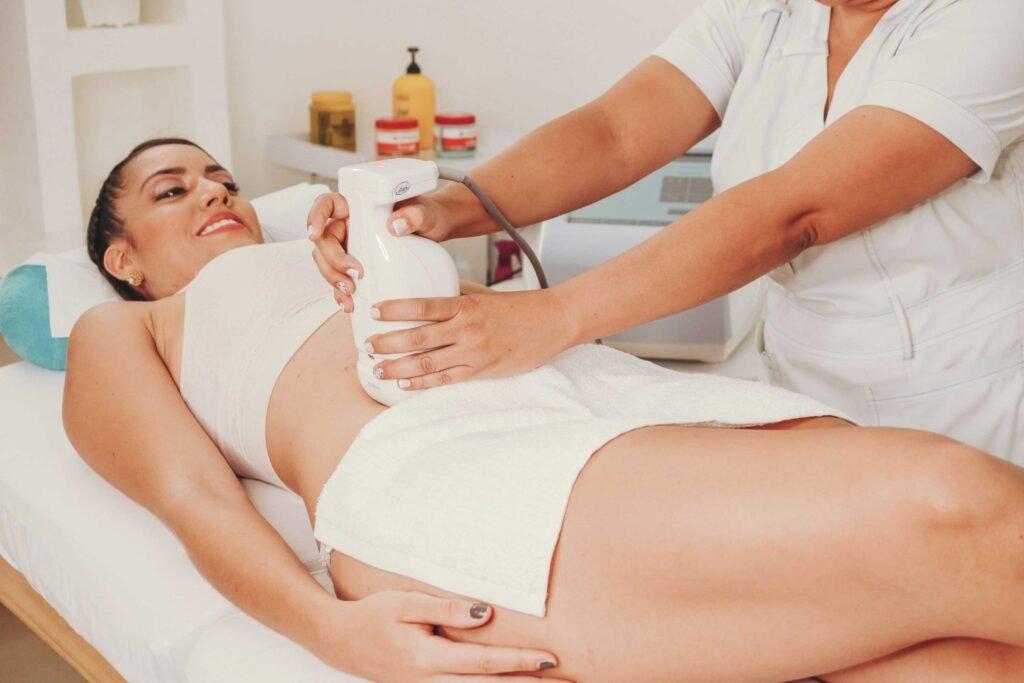
Non-invasive cosmetic procedures have become increasingly popular among individuals seeking body shaping solutions without surgery, and one of the most frequently discussed options is focused ultrasound fat reduction. In the middle of this growing interest, Liposonix treatment is often misunderstood as a quick fix for weight loss rather than what it is actually designed for. Many people assume it can replace traditional methods like diet and exercise, but its true role is much more specific. Instead of addressing overall body weight, it targets localized fat deposits that are resistant to lifestyle changes. This distinction is important because it shapes expectations and determines whether the procedure will be effective for a particular individual. Understanding its purpose helps clarify its limitations and benefits in the broader context of body contouring.
How Liposonix Works on Fat Cells:
The technology behind ultrasound-based fat reduction is focused on delivering controlled energy to fat layers beneath the skin. This energy creates heat that disrupts fat cell membranes, causing them to break down gradually. Once damaged, these fat cells are naturally processed and eliminated by the body over several weeks through metabolic activity.
Key mechanisms include:
- Focused ultrasound energy targeting subcutaneous fat
- Heat-induced disruption of fat cell structure
- Gradual elimination through lymphatic system
- No damage to surrounding skin or muscle tissue
At this stage, Liposonix treatment is designed to reduce the number of fat cells in specific areas rather than shrinking the entire body. This makes it suitable for contouring purposes, particularly in the abdomen, but not for overall weight reduction. The body continues to function normally after treatment, and results develop gradually as fat cells are processed over time.
Why It Is Not a Weight Loss Solution:
One of the most common misconceptions is that non-invasive fat reduction can replace traditional weight management methods. In reality, this procedure is not intended for significant weight loss or obesity treatment. Instead, it focuses on refining body shape by targeting stubborn fat pockets that do not respond well to diet and exercise alone.
Reasons it cannot replace weight loss methods:
- Does not significantly reduce overall body weight
- Targets localized fat rather than total body fat
- Does not address underlying metabolic health
- Requires stable weight for best results
- Results are contour-based, not scale-based
Weight loss involves reducing overall body fat through a sustained calorie deficit, which requires dietary control and physical activity. Cosmetic fat reduction, on the other hand, works at a localized level and is best used as a complementary approach rather than a replacement strategy.
Role of Diet in Achieving Better Results:
Diet plays a crucial role in determining the success and longevity of any body contouring procedure. While fat cells in treated areas are permanently reduced, remaining fat cells can still expand if unhealthy eating habits continue. This means that post-treatment lifestyle choices significantly influence overall outcomes.
Helpful dietary practices include:
- Consuming whole, nutrient-dense foods
- Reducing intake of processed and high-sugar foods
- Maintaining consistent calorie balance
- Increasing protein and fiber intake
- Staying hydrated to support metabolism
A balanced diet not only helps maintain results but also enhances the body’s natural ability to process and eliminate fat cells after treatment. Without proper nutrition, the benefits of cosmetic procedures may be reduced over time.
Importance of Exercise in Long-Term Maintenance:
Physical activity is another essential factor in maintaining results and supporting overall health. While non-invasive fat reduction targets specific areas, exercise helps regulate metabolism and prevent fat accumulation in untreated regions. It also improves muscle tone, which enhances the appearance of treated areas.
Benefits of exercise after treatment:
- Supports metabolic rate and fat burning
- Prevents new fat accumulation
- Improves muscle tone and body definition
- Enhances circulation and lymphatic drainage
- Helps maintain long-term results
Recommended activities include:
- Cardio exercises such as walking, running, or cycling
- Strength training for muscle development
- Core-focused workouts for abdominal definition
- Consistent moderate physical activity
At this point, Liposonix treatment works best when combined with an active lifestyle, as exercise helps maximize and maintain the contouring effects achieved during the procedure.
Who Benefits Most From the Procedure:
Not everyone is an ideal candidate for this type of fat reduction, and understanding suitability is key to achieving satisfactory results. The procedure is best suited for individuals who are already close to their ideal body weight but struggle with localized fat deposits that persist despite healthy habits.
Ideal candidates typically:
- Have mild to moderate abdominal fat
- Maintain stable body weight
- Follow a reasonably healthy lifestyle
- Seek body contouring rather than weight loss
- Have realistic expectations about gradual results
It is not recommended for individuals seeking rapid weight reduction or those with significant obesity. Instead, it serves as a refinement tool for shaping specific areas of the body where fat is more resistant to traditional methods.
Expected Results and Limitations:
Results from non-invasive fat reduction develop gradually rather than immediately. The body takes time to process and eliminate disrupted fat cells, which means visible changes appear over several weeks. While improvements can be noticeable, they are typically subtle and natural-looking rather than dramatic.
Expected outcomes include:
- Reduction in localized fat thickness
- Improved abdominal contour definition
- Gradual appearance of results over 6–12 weeks
- Long-lasting effects with stable weight
Limitations to understand:
- Not suitable for overall weight loss
- Results vary between individuals
- Multiple sessions may be required in some cases
- Lifestyle factors strongly influence outcomes
Understanding these limitations helps ensure realistic expectations and prevents disappointment after treatment.
Combining Treatment With Healthy Habits:
For best results, cosmetic fat reduction should be viewed as part of a broader wellness approach rather than a standalone solution. Combining the procedure with healthy habits significantly improves both short-term and long-term outcomes.
Effective combination strategies include:
- Maintaining a consistent workout routine
- Following a balanced and controlled diet
- Staying hydrated to support fat metabolism
- Avoiding significant weight fluctuations
- Monitoring body changes over time
This holistic approach ensures that results are not only achieved but also maintained. Patients who adopt these habits tend to experience more stable and longer-lasting improvements in body contour.
Final Thoughts:
Non-invasive body contouring offers an effective way to address stubborn fat, but it is important to understand its true purpose. While Liposonix treatment can significantly improve body shape by targeting localized fat deposits, it is not a replacement for diet and exercise. Instead, it should be viewed as a complementary tool that enhances the results of a healthy lifestyle. Sustainable weight management still relies on balanced nutrition and regular physical activity, while cosmetic procedures provide additional refinement where needed. When combined properly, both approaches can work together to create a more sculpted, healthier, and long-lasting body transformation.

 English
 French
 Spanish
 Portuguese
 Deutsch
 Turkish
 Dutch
Dutch
 Italiano
 Russian
 Romaian
 Portuguese (Brazil)
 Greek
Greek