
The Risks and Side Effects of Chemical Peels Explained Honestly
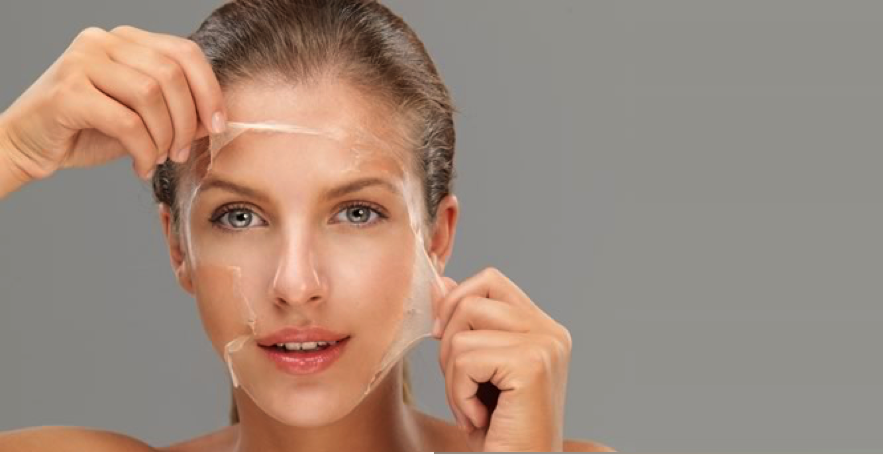
Many people are drawn to skin resurfacing procedures for their visible rejuvenation benefits, but it is equally important to understand the potential downsides before proceeding with Chemical Peel Treatment. While chemical peels are generally safe when performed correctly, they are still medical-grade procedures that come with possible risks and side effects that should be carefully considered for informed decision-making.
Understanding How Chemical Peels Affect the Skin:
Chemical peels work by applying controlled acidic solutions to exfoliate the outer layers of the skin. This process triggers regeneration but also temporarily disrupts the skin barrier, which can lead to side effects during healing.
Key effects on the skin include:
- Removal of dead skin cells
- Temporary weakening of skin barrier
- Stimulation of new cell growth
- Increased skin sensitivity
- Controlled inflammation response
Common Mild Side Effects:
Most people experience mild and temporary side effects after a chemical peel. These reactions are expected and usually resolve within a few days depending on peel strength.
Common mild effects include:
- Redness and skin flushing
- Mild stinging or burning sensation
- Dryness and flaking
- Tight or sensitive skin feeling
- Slight swelling in treated areas
These are often part of the normal healing process after Chemical Peel Treatment.
Moderate Side Effects and Reactions:
In some cases, especially with medium-depth peels or sensitive skin types, more noticeable side effects may occur. These require careful management but are still typically temporary.
Moderate reactions include:
- Prolonged redness lasting several days
- Visible peeling or crusting
- Increased skin sensitivity to products
- Mild discomfort or irritation
- Temporary pigmentation changes
Risk of Hyperpigmentation:
One of the most discussed risks of chemical peels is post-inflammatory hyperpigmentation, where the skin becomes darker after treatment. This risk is higher in certain skin types and with improper aftercare.
Factors that increase risk:
- Excess sun exposure after treatment
- Deep or aggressive peel strength
- Improper aftercare routine
- Sensitive or darker skin tones
- Hormonal influences
Risk of Hypopigmentation:
Although less common, chemical peels can sometimes lead to lightening of the skin in treated areas. This occurs when pigment-producing cells are affected more deeply than intended.
Contributing factors include:
- Overly deep peel penetration
- Repeated aggressive treatments
- Individual skin response variations
- Improper application technique
- Lack of professional supervision
Infection Risk and Skin Barrier Damage:
Because chemical peels temporarily disrupt the skin barrier, there is a small risk of infection if proper hygiene and aftercare are not followed.
Possible infection-related issues:
- Bacterial infection in treated areas
- Delayed healing process
- Increased inflammation
- Formation of small scabs or sores
- Worsening of existing skin conditions
Allergic Reactions and Sensitivity:
Some individuals may experience allergic reactions to the ingredients used in chemical peels. This is why patch testing and consultation are important.
Signs of allergic reaction include:
- Excessive redness or swelling
- Itching or rash formation
- Burning sensation beyond normal levels
- Skin hives or bumps
- Unusual discomfort after application
Scarring Risk in Rare Cases:
Although rare, improper application or excessive peeling strength can lead to scarring. This is more likely when aftercare instructions are not followed correctly.
Scarring risk factors:
- Deep chemical peel misuse
- Picking or scratching healing skin
- Pre-existing skin conditions
- Poor healing response
- Lack of professional oversight
Sun Sensitivity After Peels:
After a chemical peel, the skin becomes significantly more sensitive to sunlight. Without proper protection, this can lead to long-term damage.
Sun-related risks include:
- Increased risk of pigmentation
- Sunburn on newly exposed skin
- Delayed healing process
- Uneven skin tone development
- Long-term UV damage
Proper sun protection is essential following Chemical Peel Treatment.
Temporary Skin Purging:
Some individuals may experience a temporary worsening of acne or breakouts after a chemical peel. This is known as skin purging and is usually short-lived.
Characteristics of purging:
- Increased breakout activity initially
- Faster turnover of clogged pores
- Temporary inflammation
- Gradual skin clearing afterward
- Short-term reaction to exfoliation
Sensitivity to Skincare Products:
After a chemical peel, the skin becomes more reactive to active ingredients in skincare products. Using strong products too soon can worsen side effects.
Products to avoid temporarily:
- Retinol or retinoids
- Strong acids (AHA/BHA)
- Vitamin C in high concentration
- Alcohol-based toners
- Physical exfoliants
Importance of Professional Supervision:
Many risks associated with chemical peels can be significantly reduced when the procedure is performed under professional guidance. Dermatologists ensure safe application and proper aftercare.
Professional benefits include:
- Accurate skin assessment before treatment
- Selection of appropriate peel strength
- Controlled application process
- Monitoring of skin reaction
- Personalized recovery instructions
Who Should Be Extra Cautious:
Certain individuals are more prone to side effects and should approach chemical peels with extra caution or avoid them altogether depending on their skin condition.
Higher-risk groups include:
- People with very sensitive skin
- Individuals with active skin infections
- Those with eczema or rosacea
- Pregnant or breastfeeding individuals (depending on peel type)
- People using strong prescription medications
Final Thoughts:
Chemical peels are effective skin resurfacing treatments, but they are not without risks and side effects. From mild redness to rare complications like pigmentation changes or irritation, understanding these possibilities helps ensure safer treatment decisions. For anyone considering Chemical Peel Treatment, proper consultation, professional supervision, and strict aftercare are essential to minimizing risks and achieving healthy, glowing skin results safely and effectively.

 English
 Arabic
 French
 Spanish
 Portuguese
 Deutsch
 Turkish
 Dutch
Dutch
 Italiano
 Russian
 Romaian
 Greek
Greek