Hair loss treatments have advanced significantly with the rise of regenerative medicine, offering patients more innovative and targeted solutions than ever before. Among these modern approaches, Exosomes Therapy for Hair Loss is gaining attention for its ability to stimulate hair regrowth at a cellular level. As interest grows, many patients naturally ask an important question: how safe is this treatment, and what do experts really say about its risks and reliability?
What Is Exosome Therapy for Hair Loss:
Exosome therapy is a regenerative treatment that uses tiny vesicles derived from stem cells to support tissue repair and hair follicle regeneration. These vesicles carry growth factors, proteins, and genetic signals that help activate dormant follicles and improve scalp health. Unlike surgical procedures, it works through biological communication. Key features include:
- Stem cell–derived regenerative particles
- Cell signaling and repair mechanisms
- Follicle activation at a microscopic level
- Non-surgical treatment approach
How Exosome Therapy Works in the Scalp:
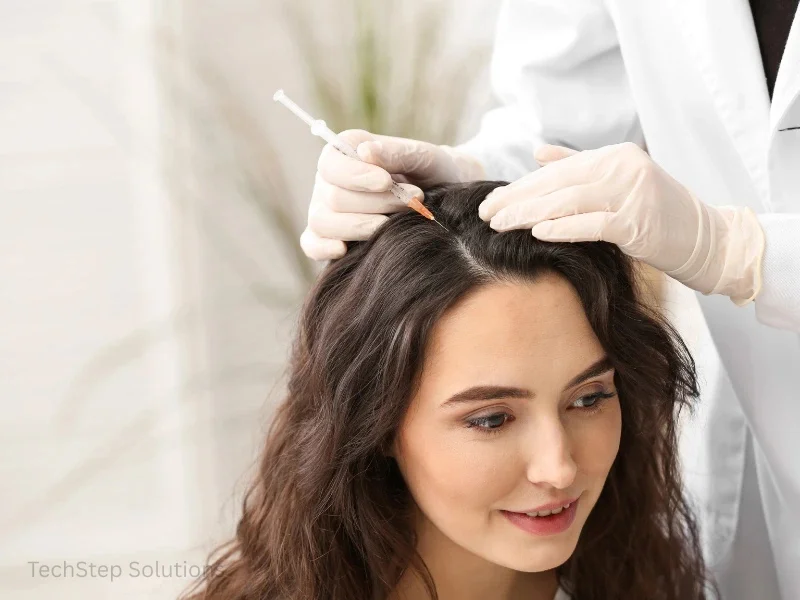
Exosome therapy works by delivering regenerative signals directly into the scalp through microneedling or injections. Once applied, exosomes interact with hair follicle cells, helping to restart the natural growth cycle and repair damaged tissues. This process improves hair density and scalp health over time. Core actions include:
- Reactivation of inactive follicles
- Improved blood circulation in the scalp
- Reduction of inflammation around follicles
- Support for natural hair growth cycles
Expert Perspective on Safety:
Experts in dermatology and regenerative medicine generally consider exosome therapy to be a safe procedure when performed under proper clinical conditions. Since exosomes are derived from biological sources, they are typically well tolerated by the body. However, safety depends heavily on product quality and practitioner expertise. Key expert insights include:
- High biocompatibility with human tissue
- Low risk of immune rejection
- Safety depends on clinical standards
- Importance of certified medical providers
How Safe Is Exosome Therapy in Real Practice:
In real-world clinical settings, exosome therapy is considered minimally invasive with a strong safety profile. Most patients experience only mild and temporary side effects. Serious complications are rare when procedures are performed correctly. Clinics offering Exosomes Therapy for Hair Loss emphasize strict safety protocols. Key safety points include:
- Minimal downtime after treatment
- Low incidence of adverse reactions
- Controlled and sterile application process
- Dependence on practitioner expertise
Possible Side Effects You Should Know:
While exosome therapy is generally safe, like any medical procedure, it may cause minor temporary effects. These reactions are usually mild and resolve on their own within a short period. Understanding these helps set realistic expectations. Possible side effects include:
- Mild redness or swelling at injection sites
- Temporary scalp sensitivity
- Slight itching or irritation
- Short-term discomfort after treatment
Who Should Avoid Exosome Therapy:
Although exosome therapy is suitable for many individuals, it may not be recommended for everyone. Certain medical conditions or scalp issues may require caution or alternative treatments. Expert evaluation is essential before proceeding. Individuals who should be cautious include:
- Patients with active scalp infections
- Individuals with severe medical conditions
- Pregnant or breastfeeding women (case-dependent)
- Those with allergies to treatment components
Safety Compared to Other Hair Loss Treatments:
Compared to traditional hair loss treatments, exosome therapy is considered less invasive and generally safer in terms of recovery and side effects. Medications may cause hormonal or systemic effects, while hair transplants involve surgical risks. Key comparisons include:
- Non-surgical versus surgical procedures
- Lower risk of systemic side effects
- Faster recovery time
- Minimal downtime compared to transplants
What Makes Exosome Therapy Safe:
The safety of exosome therapy largely depends on its biological origin and clinical application methods. Exosomes are naturally occurring and designed for cellular communication, which makes them highly compatible with human tissue. Key safety factors include:
- Natural biological origin
- No major surgical intervention required
- Precision-based delivery methods
- Controlled laboratory preparation
Importance of Choosing the Right Clinic:
One of the most important factors in ensuring safety is selecting a qualified and experienced clinic. Poor-quality products or untrained providers can increase risks and reduce effectiveness. Clinics offering Exosomes Therapy for Hair Loss often follow strict protocols. Key considerations include:
- Certified medical professionals
- Verified exosome sources
- Sterile clinical environment
- Transparent treatment protocols
Scientific Research on Exosome Safety:
Scientific studies on exosome therapy continue to grow, with early findings suggesting strong safety and regenerative potential. Research shows that exosomes play a key role in cell communication and tissue repair without causing significant adverse effects. Key scientific insights include:
- High compatibility with human cells
- Low immunogenic response
- Positive regenerative outcomes
- Ongoing clinical trials for validation
Long-Term Safety Considerations:
While short-term safety is well established, long-term studies are still ongoing to fully understand extended outcomes. However, current evidence suggests that exosome therapy is safe when used appropriately and under medical supervision. Important considerations include:
- Need for long-term clinical data
- Importance of follow-up care
- Monitoring treatment response over time
- Continued research in regenerative medicine
The Future of Safe Hair Restoration:
The future of hair restoration is moving toward safer, regenerative, and minimally invasive treatments like exosome therapy. As research advances, safety standards and treatment protocols are expected to improve even further, making it a more reliable option for patients worldwide. Future developments include:
- Improved purification techniques
- More standardized treatment protocols
- Enhanced clinical safety guidelines
- Broader regulatory approval
Final Thoughts:
Exosome therapy is widely considered a safe and innovative option for hair loss when performed by qualified professionals in a controlled medical environment. While mild side effects may occur, serious risks are rare, making it a promising alternative to more invasive treatments. As scientific research continues to evolve, exosome-based therapies are expected to become even safer and more effective in the future of hair restoration.


 Arabic
 French
 Spanish
 Portuguese
 Deutsch
 Turkish
 Dutch
Dutch
 Italiano
 Russian
 Romaian
 Portuguese (Brazil)
 Greek
Greek