Hair loss is a common concern affecting millions of people worldwide, leading many to explore both surgical and non-surgical solutions. If you are considering options like a Hair Transplant in Riyadh or evaluating alternative treatments, it’s important to understand how each approach works and which one delivers the best results. The choice ultimately depends on factors such as the stage of hair loss, budget, expectations, and long-term goals.
Understanding Hair Transplants:
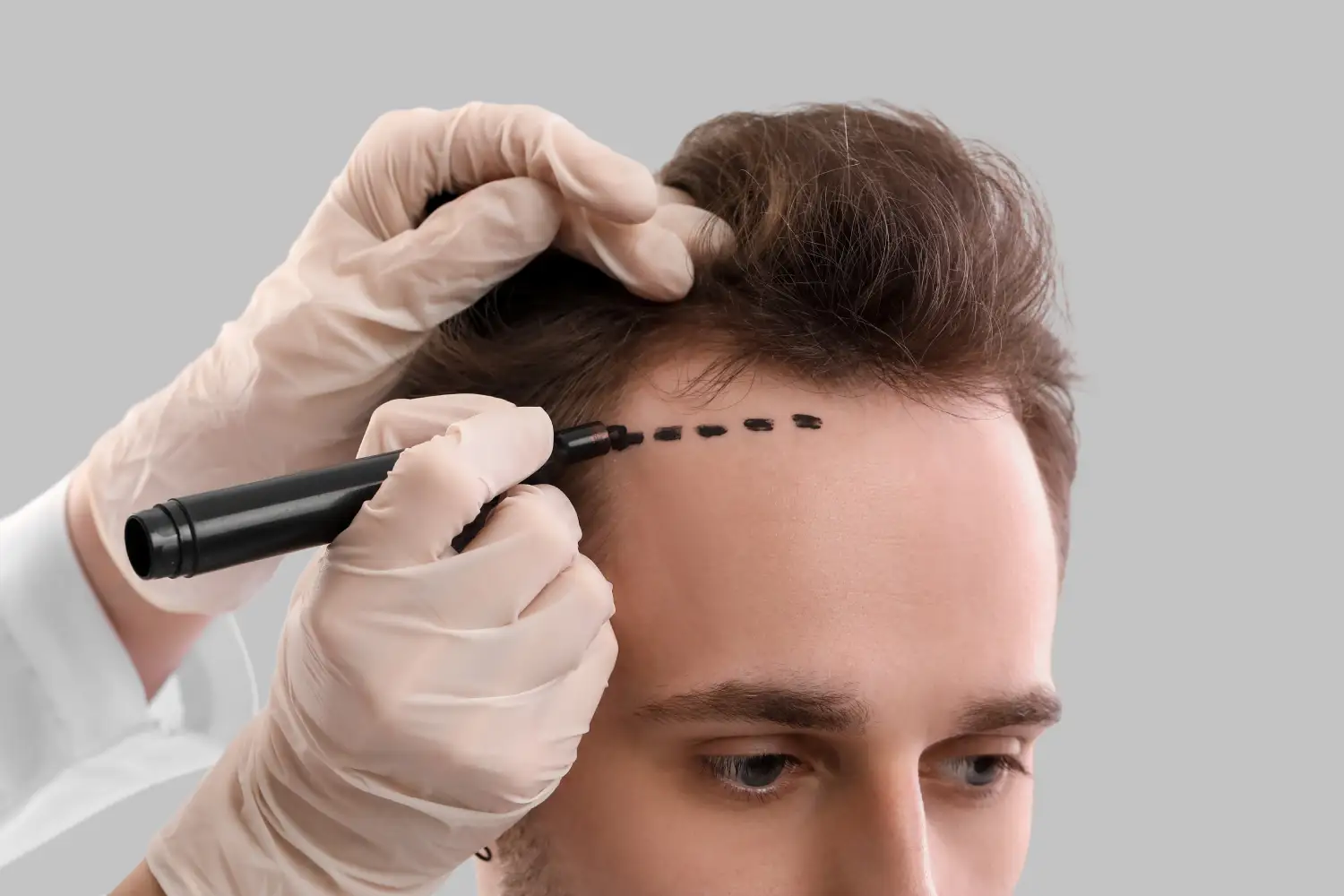
Hair transplants are surgical procedures that involve extracting hair follicles from a donor area and implanting them into thinning or bald regions, offering a permanent solution with:
- Natural-looking results when performed by skilled surgeons
- Long-term hair growth using your own follicles
- Minimal maintenance once the procedure is complete
- Advanced methods like FUE and DHI for precision
This option is ideal for individuals experiencing significant hair loss who want a lasting transformation rather than temporary improvement.
Exploring Non-Surgical Hair Loss Treatments:
Non-surgical treatments aim to slow down hair loss, improve hair quality, and stimulate regrowth without surgery, typically including:
- Medications like minoxidil and finasteride
- Platelet-Rich Plasma (PRP) therapy
- Low-level laser therapy (LLLT)
- Hair growth serums and supplements
These treatments are less invasive and more affordable upfront, making them a popular first step for many individuals in the early stages of hair thinning.
Effectiveness and Results Comparison:
When comparing effectiveness, hair transplants generally provide more dramatic and permanent results, while non-surgical treatments offer gradual improvements, such as:
- Hair transplants delivering visible density restoration
- Treatments requiring consistent use to maintain results
- Faster noticeable outcomes with surgical intervention
- Subtle regrowth and thickening with non-surgical methods
The difference lies in expectations—transplants restore lost hair, whereas treatments mainly preserve and enhance existing hair.
Cost Differences and Long-Term Value:
Cost is a major deciding factor, and both options come with their own financial considerations, including:
- Higher upfront cost for hair transplant procedures
- Ongoing expenses for medications and therapies
- Long-term savings with a one-time transplant
- Variable pricing depending on clinic and location
While non-surgical treatments may seem cheaper initially, their recurring costs can add up over time compared to a single procedure.
Safety and Risk Factors:
Both approaches are generally safe when performed or used correctly, but they carry different types of risks, such as:
- Surgical risks like infection or minor scarring in transplants
- Side effects from medications, including hormonal changes
- Minimal downtime with non-surgical options
- Controlled and predictable outcomes with experienced surgeons
Understanding these risks helps patients make informed and confident decisions about their treatment path.
Recovery Time and Convenience:
Convenience and recovery time are key considerations for many patients when choosing between these options, with differences like:
- Hair transplants requiring a short recovery period
- Temporary redness, swelling, or scabbing after surgery
- Non-surgical treatments having no downtime
- Daily or weekly commitment needed for ongoing therapies
Those with busy schedules may prefer treatments, while others may opt for a one-time procedure for long-term convenience.
Suitability for Different Stages of Hair Loss:
The stage of hair loss plays a crucial role in determining the right approach, as:
- Early-stage hair loss responds well to non-surgical treatments
- Moderate to advanced baldness often requires transplantation
- Combination approaches providing optimal results
- Personalized plans based on individual hair patterns
Consulting a specialist is essential to assess your specific condition and recommend the most effective solution.
Maintenance and Long-Term Commitment:
Maintenance requirements differ significantly between the two options, influencing patient preference, including:
- Minimal upkeep after a successful hair transplant
- Lifelong commitment to medications for sustained results
- Regular follow-ups for non-surgical treatments
- Occasional touch-ups or additional sessions if needed
This makes transplants appealing for those seeking a low-maintenance solution in the long run.
Popularity and Trends in 2026:
In 2026, both hair transplants and non-surgical treatments are gaining popularity, often used together for better outcomes, with trends such as:
- Increased demand for minimally invasive procedures
- Growth in combination therapies for enhanced results
- Rising awareness through social media and influencers
- Expansion of advanced clinics offering tailored solutions
Cities offering advanced cosmetic services, including those known for Hair Transplant in Riyadh, are seeing significant growth in patient demand.
Which Option Wins?:
Determining the winner depends on your personal goals, as each option serves a different purpose, with key takeaways like:
- Hair transplants winning for permanent and visible results
- Non-surgical treatments excelling in early prevention
- Combination approaches offering the best of both worlds
- Individual factors shaping the final decision
There is no universal answer, as the best choice varies from person to person based on their unique needs.
Final Thoughts:
Both hair transplants and non-surgical treatments have their advantages, and the right choice depends on your hair loss stage, expectations, and lifestyle. While non-invasive methods are great for slowing down hair loss and maintaining existing hair, transplants provide a more definitive and lasting solution. If you are exploring options such as a Hair Transplant in Riyadh or considering alternative treatments, consulting with a qualified expert will help you choose the most effective path toward restoring your confidence and achieving natural-looking results.


 Arabic
 French
 Spanish
 Portuguese
 Deutsch
 Turkish
 Dutch
Dutch
 Italiano
 Russian
 Romaian
 Portuguese (Brazil)
 Greek
Greek